Apartment Cleaning vs House Cleaning: What's the Difference?

Mikayla DeCecco • November 7, 2026

Share this article

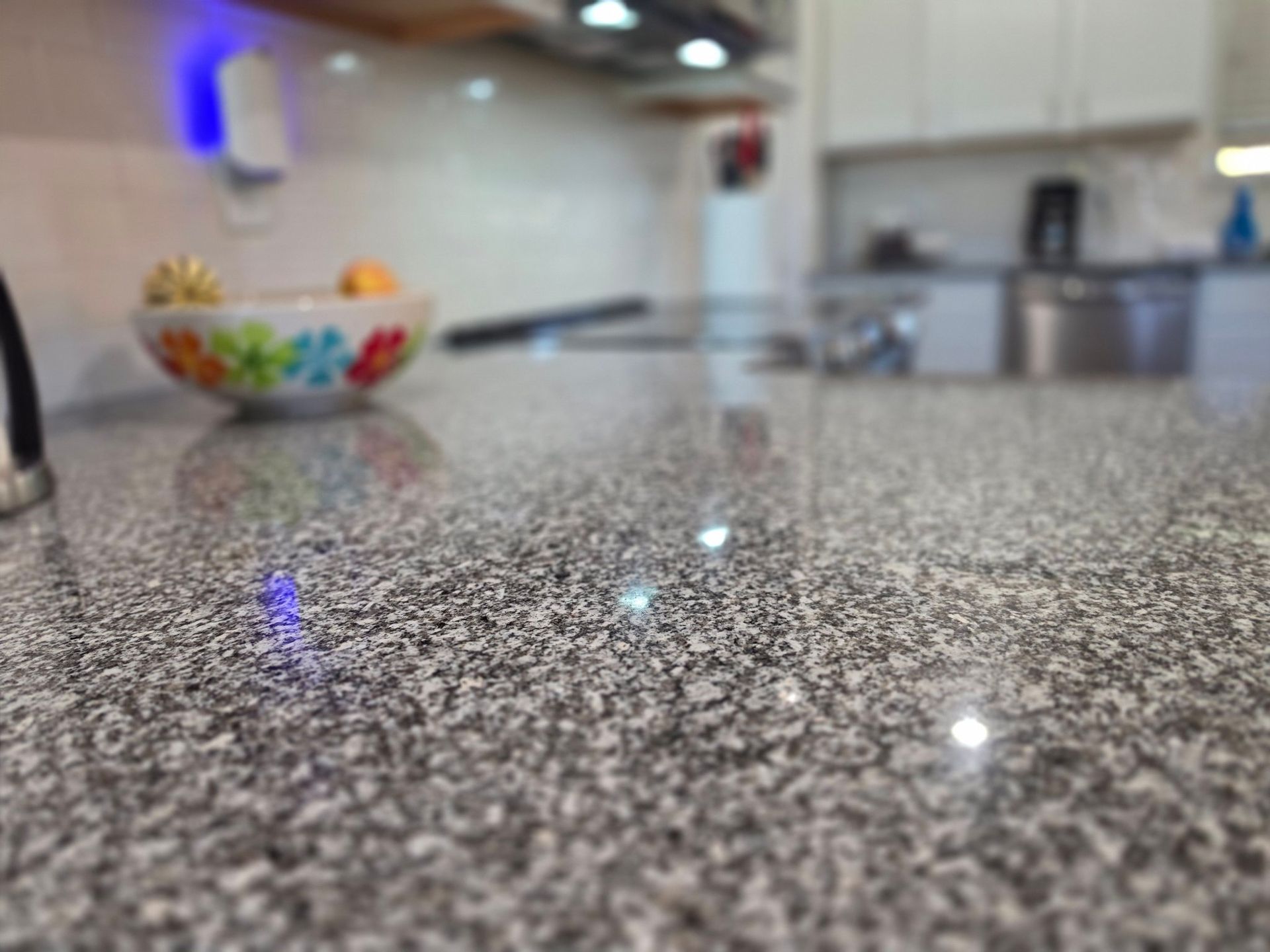
Granite kitchen countertop with a colorful bowl in a blurred modern kitchen

A two-bedroom apartment can look tidy on Friday and feel completely out of control by Sunday. A three-bedroom house may have more square footage, but the mess is often spread across rooms, floors, and daily routines. Apartment cleaning vs house cleaning is not simply a question of size. The layout, building access, number of bathrooms, flooring, pets, and how a household uses its space all affect the work involved.

For most households, the core goal is the same: a clean, comfortable home that does not require giving up an entire weekend to catch up. The best cleaning plan starts with an honest look at the home and the routines happening inside it.

Apartment Cleaning vs House Cleaning: The Main Difference

Routine apartment and house cleaning usually cover many of the same essentials. Living areas are dusted and vacuumed, kitchen surfaces are wiped down, bathroom fixtures are cleaned and sanitized, and hard floors are mopped as needed. Appliance exteriors, mirrors, sinks, toilets, showers, tubs, and frequently touched surfaces also deserve regular attention.

The difference is how those tasks are distributed throughout the home. An apartment often has a smaller footprint, but the rooms may be used heavily and sit close together. Cooking odors can travel quickly, bathroom humidity can affect nearby spaces, and clutter has fewer places to go. Small kitchens and compact bathrooms can need frequent detail work because every surface is visible and used often.

A house usually has more rooms, more walking space between tasks, and more varied surfaces. There may be multiple bathrooms, stairs, separate living spaces, guest rooms, a home office, or a mudroom that collects dirt from outside. Even when parts of the home are lightly used, the overall maintenance work can take longer because there is simply more ground to cover.

Neither type of home is automatically easier to maintain. A busy apartment with two pets and one bathroom may need more frequent attention than a larger house occupied by one person. The right service is based on use, not just square footage.

How Layout Changes the Cleaning Process

Apartment layouts often make cleaning feel more immediate. The kitchen, dining area, and living room may share one open space, so crumbs, pet hair, or dishes can affect the entire home at once. Bedrooms may double as offices, storage spaces, or exercise areas. When space is limited, clearing surfaces and putting belongings away before a cleaning visit can make a noticeable difference in what can be completed.

Access is another practical consideration. Apartment cleaners may need to account for parking, elevators, secured entrances, stairs, loading rules, or building quiet hours. These details do not change the quality of the cleaning, but they can affect arrival procedures and the time needed to bring supplies in and out. Clear entry instructions help the appointment begin smoothly.

House cleaning often involves more transitions between spaces. A cleaner may move from an upstairs bathroom to a downstairs kitchen, then to a family room where pets spend most of the day. Stairs add time, and separate rooms may have different needs. For example, a formal dining room may need dusting but little else, while the kitchen and primary bathroom may need the most consistent attention.

Homes with basements, finished attics, sunrooms, or bonus rooms also require a decision about what is included in routine service. Some families prefer to focus every visit on high-use areas. Others want the entire house maintained on a rotating basis. Both approaches can work when expectations are clear from the start.

Kitchens and Bathrooms Matter More Than Square Footage

The number and condition of kitchens and bathrooms often determine cleaning needs more than the type of residence. A one-bedroom apartment with one busy bathroom may be straightforward. A house with three bathrooms, several children, and a dog that tracks in mud can need a more detailed recurring plan, even if some bedrooms are rarely used.

In a maintenance cleaning, kitchens commonly receive attention to counters, sinks, stovetop surfaces, microwave exteriors, cabinet fronts as needed, and appliance exteriors. Floors are vacuumed or swept and mopped based on the surface. The focus is on keeping the room usable and presentable between visits, not restoring neglected buildup that has developed over months.

Bathrooms need dependable, sanitation-focused care. That generally includes cleaning toilets, tubs, showers, sinks, mirrors, counters, and floors. In both apartments and houses, bathroom cleaning is especially valuable on a recurring schedule because soap residue, toothpaste splatter, hair, and moisture return quickly.

If a home has heavy soap scum, mold concerns, construction dust, excessive clutter, or conditions that require specialty remediation, those needs should be discussed before booking. Standard recurring cleaning is designed for regular household upkeep. Being clear about the condition of the home protects everyone from surprises and helps set a realistic plan.

Recurring Frequency Depends on Household Life

Weekly service is often a good fit for homes with active family schedules, pets, multiple bathrooms, frequent cooking, or residents who want the house consistently guest-ready. It can also help apartment residents who have limited storage and feel the impact of everyday mess quickly.

Biweekly cleaning is a common choice for households that handle light upkeep between visits but want reliable help with the deeper routine tasks. This schedule works well for many working adults, couples, and families who can manage dishes, laundry, and quick wipe-downs but do not want to spend their free time cleaning bathrooms and floors.

Monthly service can be appropriate for lightly used homes, single-person households, or people who already clean regularly but want periodic support. The trade-off is that more dust, grime, and buildup can accumulate between appointments. A monthly visit may require more catch-up work, particularly in kitchens, bathrooms, and pet areas.

Apartment residents sometimes assume they only need occasional cleaning because the space is smaller. Households in larger homes sometimes assume monthly service will cover everything. In practice, the better question is how quickly your high-use spaces become difficult to maintain. That answer points to the schedule that will feel most helpful.

What to Clarify Before Scheduling Service

A dependable cleaning service should be specific about what is included, what is not included, and how the visit is structured. This matters whether you live in a studio apartment, a townhome, or a multi-level house.

Before scheduling, share the number of bedrooms and bathrooms, approximate condition of the home, pets, parking or entry details, and any rooms you want prioritized. Let the company know if there are areas that are off-limits or if you prefer certain rooms skipped. For apartments, mention building access instructions. For houses, mention stairs, additional living areas, and any rooms that may need special attention.

It also helps to ask whether the service is intended for maintenance cleaning, an initial detailed clean, or a move-in or move-out situation. These are different types of work. A recurring maintenance visit is most effective when the home has a reasonable starting condition and receives consistent care over time.

A complimentary assessment can be useful because it turns assumptions into a clear scope of work. Rather than guessing based on bedroom count alone, the cleaning plan can reflect the spaces you actually use and the tasks that matter most to your household.

A Clean Home Should Fit Your Routine

The choice between apartment cleaning and house cleaning is really a choice about your daily life. An apartment may need focused care in a few hard-working rooms. A house may need a broader plan that keeps bathrooms, floors, living areas, and overlooked spaces from falling behind.

The most practical approach is to start with the rooms that affect your comfort every day. When the kitchen is usable, the bathrooms are fresh, and the floors and living spaces are maintained, the whole home feels easier to manage. From there, a consistent schedule can keep cleaning from becoming another unfinished task on your list.

Recent Posts

By Mikayla DeCecco • November 20, 2026
By Mikayla DeCecco • November 19, 2026
A maid service comparison should start with a practical question: what do you need help with every week, every other week, or every month? A lower quote is not automatically the better value if the service skips the areas that create the most work in your household. The right cleaning provider should make your home easier to maintain while giving you a clear picture of what will happen on cleaning day. For busy homeowners and renters, recurring cleaning is less about finding someone to make a home perfect once and more about keeping everyday mess from building up. That means comparing service scope, schedule reliability, communication, and expectations before you commit. Start Your Maid Service Comparison With Scope Many cleaning services use similar words: standard clean, maintenance clean, deep clean , or whole-home cleaning. Those labels are useful, but they do not tell the full story. Ask for the actual tasks included in the visit. A routine maintenance service commonly covers general living areas, kitchens, and bathrooms. In living spaces, that may include dusting reachable surfaces, wiping surfaces as needed, vacuuming floors, and mopping hard floors. Kitchen work often includes wiping counters, cleaning the sink, wiping the exterior of appliances, and tending to the stovetop and visible surfaces. Bathrooms usually receive more sanitation-focused attention, including toilets, tubs or showers, sinks, mirrors, counters, and floors. The details matter because every household has different pressure points. A family that cooks most nights may care most about kitchen upkeep. A home with children, guests, or multiple bathrooms may place greater value on consistent bathroom cleaning. If pet hair is the daily challenge, ask how vacuuming and floor care are handled. A provider should also be direct about what routine service does not include. Maintenance cleaning is not the same as restoration work, hazardous cleanup, hoarding cleanup, or detailed specialty work. Inside ovens, inside refrigerators, interior windows, high dusting, heavy buildup, and extensive organizing may be excluded or offered only by separate arrangement. Clear limits are not a drawback. They are a sign that the company is setting an honest standard for the work. Compare Cleaning Frequency, Not Just a Single Visit The best schedule depends on how quickly your home returns to its normal level of use. Weekly service works well for active households, homes with pets, larger families, or anyone who wants the strongest sense of ongoing order. Because cleaners are returning often, they can focus on maintaining a dependable baseline rather than catching up on accumulated grime. Biweekly service is a common choice for households that handle light upkeep between appointments but want professional help with the recurring work. It can be a practical middle ground for working adults, couples, and families who want kitchens, bathrooms, floors, and common areas regularly reset. Monthly cleaning can suit lower-traffic homes or people who do most of their own cleaning but need help staying ahead of the bigger routine tasks. It may not be enough for every household, especially if bathrooms and kitchen surfaces need more frequent attention. During a maid service comparison, consider the condition you want your home to be in between visits, not only the price of each appointment. Look Beyond the Price Quote A quote should be easy to understand. Ask whether the price reflects your home's size, number of bathrooms, current condition, pets, and requested frequency. A complimentary assessment can be especially useful because it lets the provider understand the home before setting expectations around time, scope, and cost. Be cautious about comparing two prices without comparing the work behind them. One service may include floors throughout the home and exterior appliance cleaning, while another may limit its visit to a smaller checklist. One may price recurring visits based on an established maintenance condition, while another may quote for a home that needs an initial catch-up clean first. It also helps to understand how changes are handled. If you add a room, have guests coming, need to skip a visit, or want to change your frequency, find out who you contact and whether the price or appointment length may change. Straight answers at the beginning prevent uncomfortable surprises later. Reliability Shows Up in the Process A clean home is valuable, but a dependable process is what makes recurring service easier to live with. Look for a company that explains how appointments are confirmed, how arrival updates are shared, and what happens if a schedule needs to change. Modern scheduling notifications and digital invoicing can reduce the need for phone tag and help clients stay informed. Consistency also comes from having a documented service routine. You should be able to understand what the team generally addresses in each part of the home and what condition is expected before they arrive. For example, cleaners may need access to floors and counters, while personal items, paperwork, cash, medications, and fragile belongings should be put away beforehand. Trust is built through practical habits, not broad promises. Professional communication, clear payment procedures, respectful treatment of your home, and a willingness to answer questions all matter. A company does not need to claim it can do everything. It should be prepared to explain what it can do well, on a repeatable basis. Questions Worth Asking Before You Book You do not need a long interview, but a few specific questions can make the decision much clearer: What tasks are included in routine recurring cleaning for kitchens, bathrooms, living areas, and floors? Which tasks are excluded, and can any of them be added separately? Is an assessment available before the first appointment? What service frequencies do you offer, and which one fits my household's needs? How will I receive appointment reminders, updates, invoices, and payment information? What should I do before the team arrives, and how are special requests handled? The answers should feel plainspoken. If the explanation is vague before you book, it is unlikely to become clearer after the first visit. Choose the Fit, Not the Flashiest Promise A polished website or a dramatic introductory discount can catch your attention, but recurring cleaning is an ongoing relationship. The better choice is usually the provider whose service scope matches your priorities and whose process makes sense for your household. For example, a homeowner who wants help only before a party may need a one-time cleaning provider . Someone dealing with post-construction dust, severe buildup, or a difficult cleanup may need a specialty service. But if the goal is a comfortable home that stays under control through normal life, a recurring maintenance plan is often the better fit. Think about what relief would look like on an ordinary Tuesday. Maybe it is walking into a bathroom that has been properly cleaned, a kitchen with wiped-down surfaces, and floors that do not demand your attention after work. Maybe it is knowing that the same household tasks will not keep getting pushed to the weekend. That is the standard a good cleaning arrangement should support. Before choosing, write down the three areas of your home that matter most and the schedule you can realistically maintain. Then choose the service that addresses those needs clearly, communicates reliably, and treats your home with the steady care that recurring cleaning is meant to provide.

By Mikayla DeCecco • November 11, 2026
A vacuum, a stranger at the door, and new smells can stress pets out. Here's how to plan your pet's spot, share the details, and keep cleaning day calm for everyone.
By Mikayla DeCecco • November 6, 2026
What does a deep clean include? Belleville, IL homeowners: kitchen, bathroom & whole-home checklist, signs you need one, and how to book with Scrubby Clean LLC.